The Advantages of ICF Insulated Concrete for Energy Efficiency
The Advantages of ICF Insulated Concrete for Energy Efficiency
Blog Article
Across various sectors, the contribution of manufacturers is critical as they supply the materials and products essential for meeting consumer needs. In the realm of construction, particular manufacturers focus on the production of insulated concrete forms (ICF), which are fundamental to crafting energy-efficient buildings. Being aware of the importance of manufacturers, especially within concrete construction, can aid both contractors and homeowners in making wise decisions about product selection for their projects. This article will discuss ICF manufacturers, outlining their advantages and key considerations when it comes to material choices at this website. Insulated concrete forms are stay-in-place formwork systems made from insulating materials like foam insulation, typically expanded polystyrene (EPS). These forms are filled with concrete to create walls that offer superior thermal insulation. One significant advantage of using ICF is its high R-value, which measures the wall's thermal resistance. Homes built with ICF are easier to heat and cool due to reduced energy costs, making them a popular choice among builders. Utilizing ICFs not only enhances energy efficiency but also increases structural integrity. They are highly resistant to weather extremes and can withstand high winds, making them suitable for various geographical settings. Additionally, the use of materials such as board insulation within ICF systems allows for thicker walls, contributing to better soundproofing and overall comfort in insulated homes. Many contractors prefer ICF concrete forms because the ease of assembly and the reduction of labor costs appeal to both sides of the construction equation. For those considering an ICF project, to explore various options. Selecting a manufacturer for ICF materials can be daunting given the number of options available. Key factors to consider include the company's reputation, product quality, and customer service. Researching online reviews and seeking recommendations from fellow contractors can provide insights into manufacturers' reliability and their ability to deliver on time. Additionally, inquire about their range of products, especially if you need specific types of ICF insulated concrete forms or foam board variants to suit your construction needs. The cost of insulated concrete forms can vary based on several factors, including material type and supplier pricing. On average, the cost may range from $2 to $6 per square foot for ICF, which includes the foam insulation and concrete. While initial costs might be higher compared to traditional wood houses, the energy savings over time can offset this investment. Furthermore, consider the expenses related to concrete contractors, as their rates will contribute to the overall budget for using ICFs effectively. For an in-depth look at the cost dynamics of different building materials, refer to the article on construction materials. Conduct thorough research to ensure you’re choosing the right ICF manufacturer and material for your construction needs.Steps to Selecting the Best ICF Manufacturer
Understanding Insulated Concrete Forms (ICF)
Benefits of Using ICF in Construction
Choosing the Right Manufacturer for ICF
Estimating Costs of ICF Materials
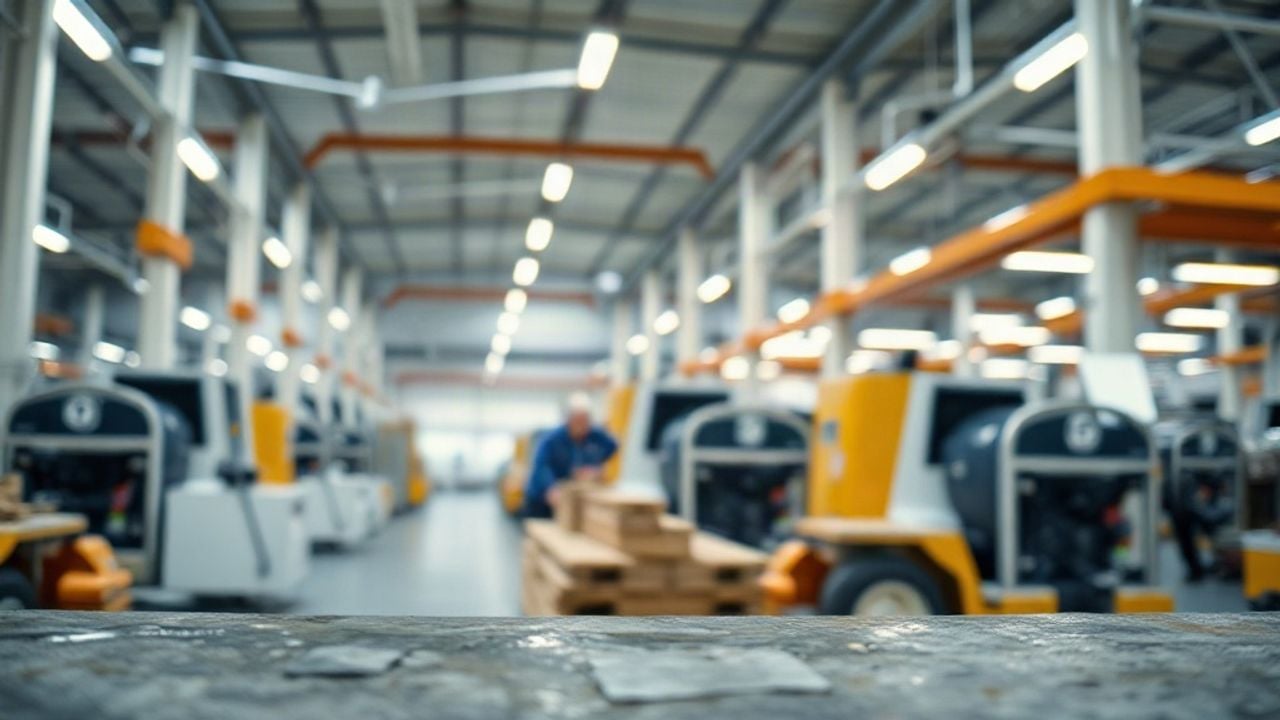 Lapeer Icf Manufactureconcrete costs
Maximize Your Manufacturing Experience
manufacturer
Frequently asked questions
What is a manufacturer?
A manufacturer is an entity involved in producing goods and materials for use in various sectors, including construction, where specialized products like insulated concrete forms are created.
How do I choose a manufacturer provider?
Consider reputation, product quality, pricing, customer service, and product variety when selecting a manufacturer. Conduct research, compare quotes, and ask for recommendations.
How much does manufacturer cost?
Costs for insulated concrete forms can range from $2 to $6 per square foot, depending on material type and supplier. Additional fees for labor and transportation should also be considered.
Understanding manufacturers in the construction industry, especially regarding insulated concrete forms, is essential for making informed decisions. By considering material quality, cost, and the manufacturer's reputation, builders and homeowners can achieve energy-efficient and structurally sound homes.
Take the time to research different manufacturers and materials to ensure that your construction project meets your needs and budget effectively.